Apple Adds $100 Billion to U.S. Manufacturing Pledge in Show of Economic Patriotism
- Aug 6, 2025
- 3 min read
6 August 2025
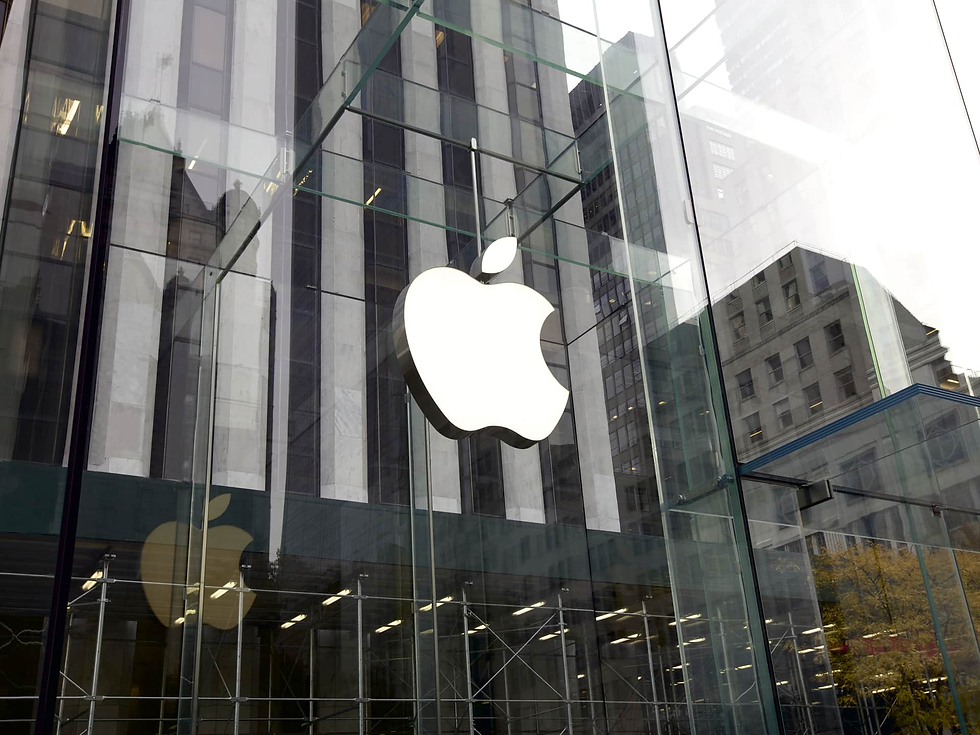
In a show of industrial ambition, Apple is poised to unveil a fresh $100 billion commitment to expand manufacturing operations on home soil, according to a White House official. This pledge builds on an earlier promise of $500 billion over four years and brings the total U.S. investment to $600 billion. It underscores a strategic pivot toward reshoring key component production amidst intensifying trade tensions and tariff pressures.
The move comes at a critical moment: Apple reportedly absorbed $800 million in tariff costs in the June quarter, prompting it to adjust supply chains by shifting some production to India and Vietnam. Reorienting significant portions back to the U.S. signals alignment with the Trump administration’s “America First” economic agenda aimed at economic security and supply chain resilience.
While Apple has yet to issue its own comment, industry watchers suggest the additional investment includes plans to expand domestic manufacturing across essential iPhone components such as displays, Face ID modules, and silicon chips. The plan reportedly involves new production hubs and supplier partnerships nationwide.
The announcement is styled as both corporate and geopolitical: a win for job creation and national security, per White House spokeswoman Taylor Rogers. Apple’s long-standing projects including an AI server campus in Texas and a plan to add 20,000 R&D roles now stand as landmark examples of U.S.-based industrial development in high tech.
Markets rewarded the gesture swiftly. Apple shares jumped nearly 3.5% upon news of the commitment, marking the stock’s best day in months. For investors watching the intersection of business policy and politics, the move is seen as a hedge against further global tariffs and regulatory unpredictability.
But beneath the headlines, sceptics caution that such commitments often encompass existing plans, not entirely new ventures. Experts note the challenge ahead: shifting complex electronics assembly and component fabrication back to U.S. soil is easier said than done. Scaling domestic supply chains remains a logistical challenge.
The pledge reflects broader economic realignments. Under President Trump, new tariffs on India and proposed duties affecting semiconductor imports have pressured firms like Apple to rethink offshore dependency. India, where Apple had moved assembly to avoid earlier tariffs, now faces duties of up to 50%, complicating Apple’s global sourcing strategy.
This industrial play also aligns with strengthened incentives under the federal CHIPS Act and manufacturing tax credits that penalize overseas output. Analysts see Apple’s to-the-U.S. shift as timely both for national policy optics and long-term operational resilience.
Critics voice concern that such pledges risk being largely symbolic, without immediate construction or jobs. This time around, the administration leveraged the announcement as a political victory even as details remain sparse. Apple’s ability to follow through will likely determine whether this becomes a new paradigm or another deferred promise.
At the core, the expansion speaks to Apple’s ongoing effort to balance global supply chain pragmatism with demands for domestic credibility. Its CEO, Tim Cook, previously adjusted the company’s sourcing strategy to dodge tariff impacts. Now, the investment aims to deliver what the company sees as long-term operational advantage amid geopolitical tumult.
As Apple looks ahead, key questions remain: where exactly will the plants land, what suppliers will benefit, and how quickly can production ramp up to offset India and Vietnam operations. Financial observers will track quarterly updates for concrete milestones and any shift in the company’s manufacturing footprint.
If successfully executed, the $100 billion pledge may serve as a turning point, signaling tech’s potential return to U.S. industrial leadership. But downside risks include underdelivery or slow pace a reminder that reshoring is not simply a press release, but a years-long national-scale project with high capital, technical and regulatory stakes.



Comments