August 2026 Inflation: Gasoline Pushes U.S. Prices Higher

August 2026 inflation brought a fresh squeeze at the gas pump, even as the annual headline rate held steady. U.S. consumer prices increased 0.4% from July, the Bureau of Labor Statistics reported Friday, September 11, compared with a 0.1% rise the previous month. Prices were 3.4% higher than a year earlier. For households looking for relief, the distinction matters: an unchanged annual inflation rate does not mean prices have stopped rising.
Gasoline was the biggest immediate pressure point. Its index rose 3.9% in August after declining in June and July, accounting for more than a third of the overall monthly increase. Energy prices as a group climbed 2.1%. Those changes help explain why a national inflation number can look stable while filling a tank feels more expensive. The photograph accompanying this article is an archival image from New Hampshire, taken in 2015, rather than a record of current pump prices.

The picture was less severe when food and energy were excluded. That measure, commonly called core inflation, increased 0.3% during August, up from 0.2% in July. Over the preceding 12 months, however, core prices rose 2.4%, a smaller increase than July's 2.5%. The monthly and annual readings therefore moved in different directions. One describes the most recent change; the other compares today's price level with the level a full year earlier.
At supermarkets, prices were unchanged overall in August. That offered a contrast with the gasoline increase, although it did not mean every grocery bill stayed the same. Fruit and vegetable prices declined while eggs, dairy products and nonalcoholic drinks became more expensive. The mix in a shopper's basket still mattered. A household buying more of the items that rose could face a higher checkout total despite the flat reading for groceries as a whole.
Housing-related costs also contributed to the increase. The shelter index rose 0.3% in August after increasing 0.1% in July. Rent and owners' equivalent rent each advanced 0.2%, while lodging away from home increased 2.4% following a July decline. These measures should not be confused with a report on home-sale prices. CPI tracks consumer goods and services; purchases treated as investments, including real estate, are outside its scope.
Other categories moved in both directions. Airline fares increased, while medical care and motor vehicle insurance declined during the month. Apparel and recreation prices were unchanged. That unevenness is a useful counterweight to claims that everything is getting more expensive at the same speed. It also means that the national headline alone cannot explain what happened to a particular family's transport, health care or travel spending.
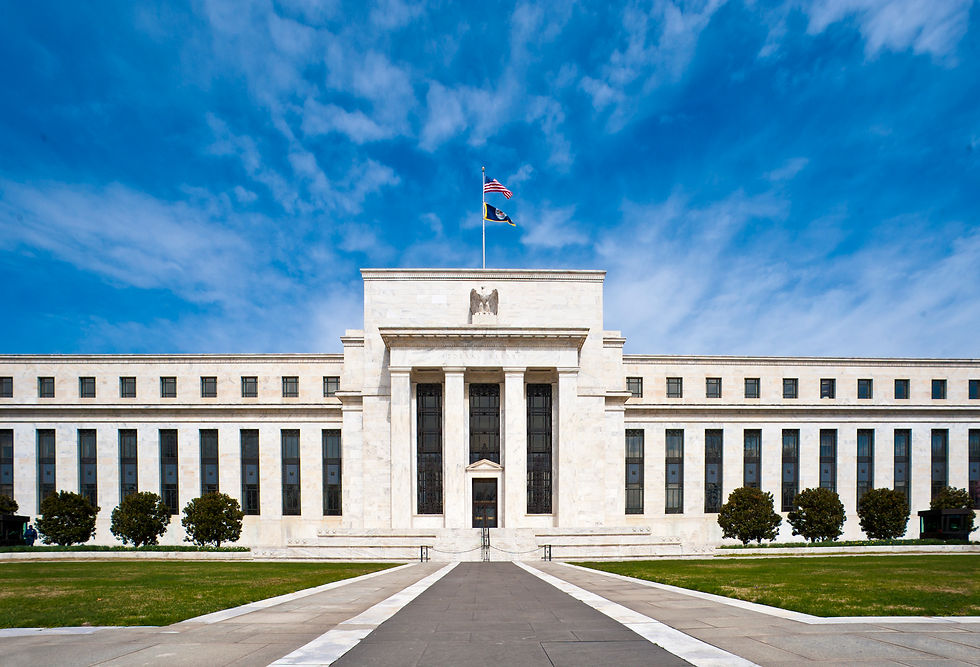
The report arrives just before the Federal Reserve's September policy meeting, adding to the debate over borrowing costs. Reuters and Euronews reported that financial markets expected an interest-rate increase after the inflation release. An expectation is not a decision, however. The central bank's announcement will establish what officials actually choose to do. The CPI release should not be read as a promise that mortgage, credit-card or business-loan rates will move by a particular amount.
There is another measurement distinction worth keeping in view. The Fed's 2% inflation objective is assessed using the personal consumption expenditures price index, not CPI. The two measures describe related developments but are not interchangeable. Reuters reported that economists were also examining producer-price components that feed into PCE. This is why policymakers can discuss several inflation readings at once without treating any single monthly number as a complete account of price pressure.
For businesses trying to understand their customers, the CPI is a starting point rather than a sales forecast. It measures price changes, not how much merchandise people bought or how much profit a retailer earned. BLS also cautions that its average household is not any one actual household. A business serving commuters may encounter customers with different spending pressures from one serving people who rarely drive. Local experience and customer mix still need to be examined separately.
The clearest reading of August is therefore a mixed one: gasoline pushed the monthly headline higher, groceries were flat overall, and annual core inflation eased despite a firmer monthly core reading. None of those facts cancels out the others. The next CPI release is scheduled for October 14. It will provide another month of evidence on whether August's acceleration persists; until then, claims that inflation is either defeated or uniformly surging go beyond what this report shows.
For more context on the policy debate, read BizzNews's coverage of the Fed's focus on incoming inflation data and Treasury's expanded long-term bond buybacks.

Comments