Mocking in the Shadows: Messages Tyler Robinson Sent During His Manhunt
- Sep 14, 2025
- 3 min read
14 September 2025
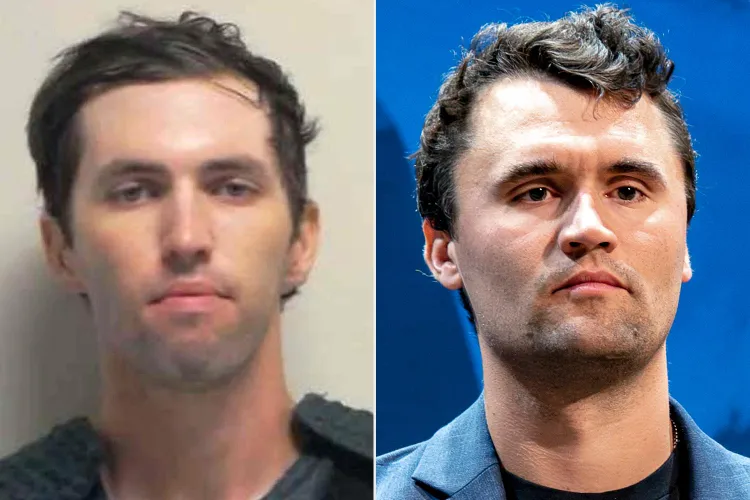
During the 33 hours that law enforcement hunted for the man accused of killing conservative activist Charlie Kirk at Utah Valley University new details have emerged about what the suspect allegedly did while in hiding. According to a New York Times report cited by People, 22-year-old Tyler Robinson is accused of exchanging joking messages with friends in a Discord chatroom while the manhunt was underway.
These weren’t ordinary light banters. Chat members say that Robinson referenced how much he looked like the person shown in FBI-released surveillance photos of the shooting suspect. He made jokes about having a “doppelganger” trying to frame him. At one point he asked whether someone would get a reward if they turned him in. He also allegedly joked about details of the ammunition used in the attack. Even more shocking were messages about disposing of his manifesto or faking his own death.
Discord, which was mentioned in relation to these messages, confirmed that Robinson had been a user on the platform. They added that while he posted in the chatroom during the manhunt there is no evidence the platform was used to plan or orchestrate the violence. After identifying these problematic messages Discord removed his account for violating its behavior policies.
The context of this alleged behavior raises questions about mindset during crisis and flight. Observers say that Robinson’s tone mocking, deflective, self-referential may reflect a kind of twisted bravado or denial. Others wonder whether the joking was a way to cope or even camouflage. Whoever wrote the messages, those who saw them said they were disturbing especially once Robinson was taken into custody and reportedly confessed to family members.
Authorities have released few formal details about Robinson’s psychological state during those 33 hours. But what is clear is that the Discord chat provided a rare livestream-style peek into how the suspect is said to have behaved between the shooting and his arrest. The oscillation between taunts and dark humor paints a picture of someone not fully hiding in fear but engaging with the narrative that was unfolding in real time.
Robinson was arrested after a tip from a family friend following intense scrutiny and widespread public pressure. Surveillance photos, released by the FBI, matched the identification made by law enforcement. After his arrest his alleged confession to family members was reported.
These revelations have stirred debate over how to understand his behavior. One side argues these messages show conscious guilt or even callous disregard for what had happened. Another side raises questions about mental health, radicalization, or the kind of anonymity and detachment online spaces can foster. There are those who say that joking about one’s own crime is not evidence of planning it or even admitting to real guilt though in criminal investigations even such messages can prove relevant.
For Discord and law enforcement there are procedural as well as ethical implications. When should platforms act, remove content, flag messages that may indicate danger. The removal of Robinson’s Discord account is just one step. There is interest in how messages in private chats factor into investigations. Do they help or mislead. Are they protected speech or incriminating evidence. These questions are now part of broader public discussion in the wake of this case.
As of now Robinson faces serious charges including aggravated murder among others. The full legal record is still being assembled. His online activities and messages are likely to be reviewed by prosecutors, defense, and possibly included in court filings. Whether the memes, jokes, and dismissive tone will matter in court is another matter.
For those who knew Kirk, for his family, supporters, and broader audiences following the story the idea that his alleged killer was making light of the situation while people were still reeling adds another layer of tragedy. It confronts us with conflicting emotions anger grief confusion. It also demands reflection: what are the lines between accountability and dehumanization between humor and horror. And how society responds to acts of political violence in a moment when online behavior amplifies every public moment may well matter.


Comments