Musk Unveils Plans for Advanced Chip Factories in Austin to Power Tesla and SpaceX
- Mar 23
- 3 min read
23 March 2026
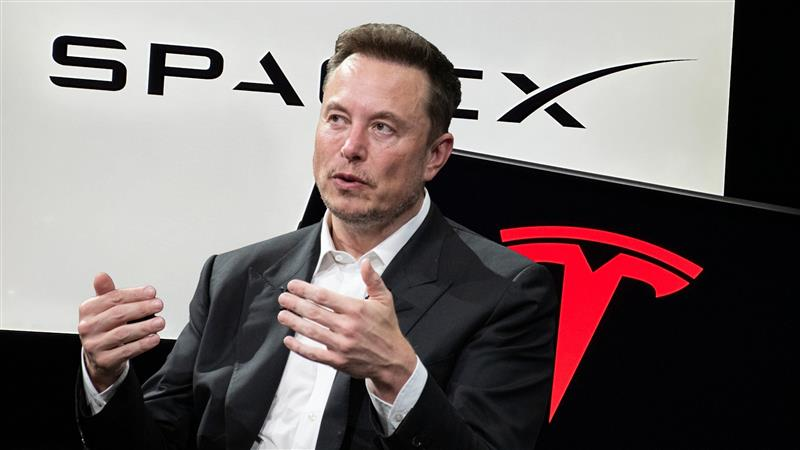
Elon Musk is once again betting big on technology infrastructure, announcing plans for Tesla and SpaceX to build advanced semiconductor manufacturing facilities in Austin, Texas, as the companies seek greater control over one of the most critical components driving the future of artificial intelligence, transportation, robotics, and space exploration.
The announcement marks a significant expansion of Musk's growing technology ecosystem. Rather than relying solely on outside suppliers for specialized chips, Tesla and SpaceX aim to deepen their involvement in semiconductor production, an industry that has become increasingly important as demand for advanced computing power accelerates worldwide.
The decision reflects a broader shift occurring across the technology sector. Semiconductors have become the foundation of modern innovation, powering everything from smartphones and electric vehicles to artificial intelligence systems and satellite networks. As companies compete to develop more sophisticated products, access to advanced chips has emerged as a strategic priority.
For Tesla, chip technology plays an especially important role. Modern electric vehicles rely heavily on sophisticated processors that manage battery performance, vehicle controls, safety systems, navigation, connectivity, and autonomous driving capabilities. Tesla's long-term vision for self-driving technology depends on increasingly powerful computing hardware capable of processing vast amounts of real-time data.
SpaceX faces similar demands. The company's rockets, spacecraft, satellites, and communications systems all require highly specialized electronics designed to operate under challenging conditions. As SpaceX continues expanding projects such as Starlink and future deep-space missions, advanced semiconductor capabilities could become even more essential.
Austin has rapidly emerged as one of America's most important technology hubs, making it a natural location for the new facilities. The city has attracted major investments from technology companies, semiconductor manufacturers, and engineering firms in recent years. Its growing talent pool, business-friendly environment, and expanding infrastructure have helped transform it into a center for innovation.
The semiconductor industry has gained enormous attention since global supply chain disruptions exposed vulnerabilities in chip production and distribution. During recent years, shortages affected industries ranging from automotive manufacturing to consumer electronics, highlighting how dependent modern economies have become on reliable semiconductor supplies.
Those challenges prompted many companies to rethink their supply chain strategies. Rather than relying exclusively on external suppliers, some firms have explored greater vertical integration, bringing more aspects of production under their direct control. Musk's latest announcement appears consistent with that trend.
The move also aligns with the increasing importance of artificial intelligence. Training and operating advanced AI systems requires extraordinary computing resources supported by specialized chips. Technology companies around the world are investing billions of dollars into semiconductor development to secure the hardware needed for future AI applications.
Industry observers view semiconductor manufacturing as one of the most strategically important sectors in the global economy. Nations and corporations alike are competing to strengthen their positions in the industry because advanced chips are now considered essential for economic competitiveness, national security, and technological leadership.
Building semiconductor facilities, however, is a complex and expensive undertaking. Advanced chip manufacturing requires specialized equipment, highly skilled engineers, and significant capital investment. Construction and operational costs can reach billions of dollars, making such projects among the most ambitious industrial investments in the technology sector.
Despite those challenges, the potential rewards are substantial. Greater control over chip design and production can improve supply chain resilience, accelerate innovation, and provide competitive advantages in rapidly evolving markets.
For Musk, the announcement represents another example of his willingness to pursue long-term infrastructure investments that support broader strategic goals. Throughout his career, he has frequently emphasized the importance of controlling key technologies rather than depending entirely on outside providers.
The proposed Austin facilities could eventually play a central role in supporting Tesla's ambitions in electric vehicles and robotics while helping SpaceX advance its space exploration and satellite communication objectives. Both companies continue operating at the forefront of technological innovation, and access to cutting-edge semiconductors is increasingly viewed as a crucial ingredient for future success.
As construction plans move forward, the project will likely attract attention from investors, competitors, and policymakers alike. In a world increasingly powered by advanced computing, the race to secure semiconductor capabilities has become one of the defining technology stories of the decade, and Musk intends for Tesla and SpaceX to remain firmly in that race.


Comments