Small Minneapolis Businesses Struggle as ICE Enforcement Drives Customers Away and Corporate Giants Stay Silent
- Jan 17
- 4 min read
17 January 2026
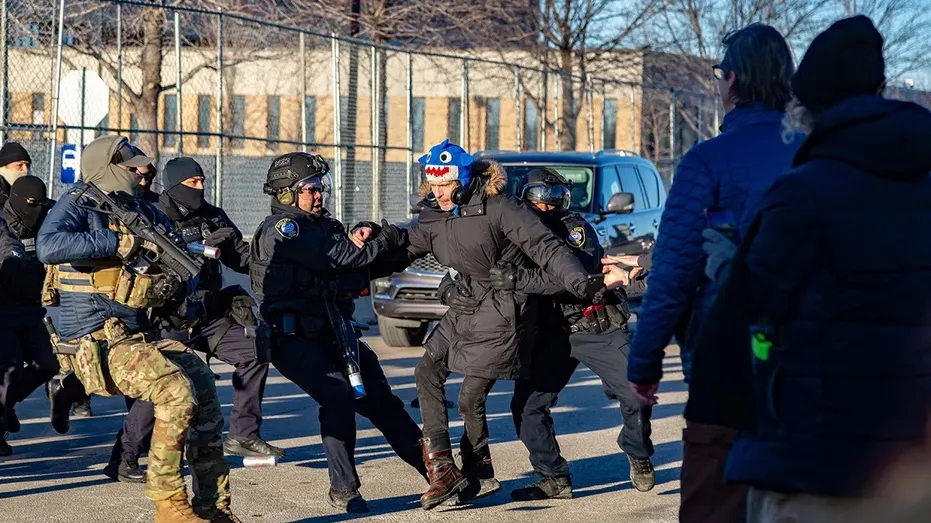
In the heart of south Minneapolis, along the busy and culturally rich corridor of Lake Street, small business owners are feeling the sting of an unprecedented economic strain brought about by a sweeping federal immigration enforcement crackdown. What began as a surge in Immigration and Customs Enforcement activity has rippled through the local economy, casting a shadow of fear and uncertainty over independent restaurants, cafes and family-run shops that once thrived on steady foot traffic from both neighborhood residents and visitors. The scene has become grim and familiar in recent weeks as the impact of aggressive enforcement actions has disrupted the daily rhythm of business in communities where immigrant workers and customers are integral to both life and livelihood.
These efforts to apprehend undocumented immigrants, part of what authorities have described as a major enforcement operation in the Minneapolis–Saint Paul area, have triggered widespread apprehension among workers and patrons alike. The Tampa Street corridor, long known for its vibrant Latino and immigrant-run businesses, now features storefronts that have posted handmade “No ICE” signs. At many restaurants, barricaded entrances and reduced hours reflect a community on edge, uncertain of when or where federal agents might appear next. Grappling with ongoing raids and the fear they bring, family-owned eateries once bustling with customers are now seeing fewer diners and more empty chairs as word spreads that people feel unsafe leaving home or walking the streets.
Business owners like taco shop operator Luis Reyes Rojas have shared with reporters how their daily operations have been reshaped out of necessity because of the enforcement presence. Some proprietors describe constant contingency planning, with multiple scenarios prepared for how to respond if agents arrive unannounced at their doorstep. The atmosphere extends beyond business owners to their employees and families, many of whom are themselves immigrants or have close ties to immigrant communities. In this climate, fear has become a factor in decisions about staffing, inventory and even whether to stay open at all.
The economic fallout of this enforcement surge is not limited to storefronts and kitchens. Business associations representing the broader Minneapolis metropolitan area, which together account for hundreds of billions of dollars in economic activity annually, acknowledge that consumer behavior has shifted sharply. Sales declines among small merchants are mirrored by lower attendance at larger companies’ facilities and events. The Minneapolis Regional Chamber of Commerce, which tracks regional economic trends, noted that “impacts that roll up” from small businesses affect the broader economy, from local suppliers to major employers with headquarters in the state.
Yet even as small business owners bear the brunt of the financial and psychological strain, some of Minnesota’s largest corporations have remained conspicuously quiet on the issue. The region is home to more than a dozen Fortune 500 companies, including major brands that often take public stands on social and economic policy. In 2020, after the police killing of George Floyd ignited nationwide protests, companies such as Target, UnitedHealth Group and General Mills took visible public positions that resonated with their employees and customers. This time, by contrast, those same corporate giants have declined to comment on the immigration enforcement operations that are affecting their home turf and, in some cases, their own workforces.
Some analysts and local leaders see that silence as indicative of the fraught nature of the political and economic landscape. Former business executive and current Harvard Business School fellow Bill George told reporters that the lack of corporate voices at a moment of clear community stress is a missed opportunity for leadership. He noted that large employers have both the reach and resources to influence public discourse and support their employees many of whom may hail from immigrant backgrounds but have so far opted for silence, perhaps out of fear of political backlash or boycotts.
Amid the tension, there have been high-profile incidents that underscore the unease rippling through the business environment. In one case, federal agents detained two U.S. citizens at a Target store in a Minneapolis suburb, including a 17-year-old employee, an event that only heightened community anxiety. Yet the company has not issued any public response to the incident, and executives have not outlined guidance for staff navigating these uncertain conditions.
Smaller employers in the suburbs, including residential service providers and cleaning companies, have likewise been forced to adapt, telling workers they should stay home if they feel unsafe. One business owner, who declined to say his name out of fear of attracting federal attention, noted that his all-Latino workforce was understandably cautious about leaving home for work, given widespread reports of ICE encounters in public spaces such as gas stations. For him and others, the priority is ensuring the safety of employees even if it means curbing business operations.
For many on Lake Street and beyond, the sense of disruption recalls the deep economic scars left by past crises such as the COVID-19 pandemic. In some areas, sustained protests and related economic boycotts have emerged as part of a broader community response to both enforcement tactics and the deadly shooting of a local activist by an ICE agent earlier in the month, actions that have galvanized public opinion and underscored the high stakes involved in federal policy enforcement.
Local officials have appealed for calm and dialogue while acknowledging the very real economic and social harm experienced by residents and their enterprises. Some business associations have called on larger corporate actors to step forward with statements of support or resources for affected communities, but such responses have yet to materialize in any significant way. Meanwhile, small business owners continue to navigate the twin challenges of maintaining operations and safeguarding their workers in a climate of fear.
The disruption of small business activity in Minneapolis highlights how localized enforcement actions can reverberate through broader economic networks and social fabrics. Independent merchants who once served as community anchors are now weighed down by lowered patronage, increased anxiety and a growing sense that their struggles go unseen by those with the loudest economic voices in the region. In this crunch, what was once a bustling neighborhood has found itself caught in a larger national debate over immigration policy, economic responsibility and corporate citizenship, a debate with real consequences for Main Street as well as Wall Street.


Comments