Trump Confronts Same Cost-of-Living Backlash as Biden Did Amid Persistent Price Pressures
- Nov 22, 2025
- 2 min read
22 November 2025
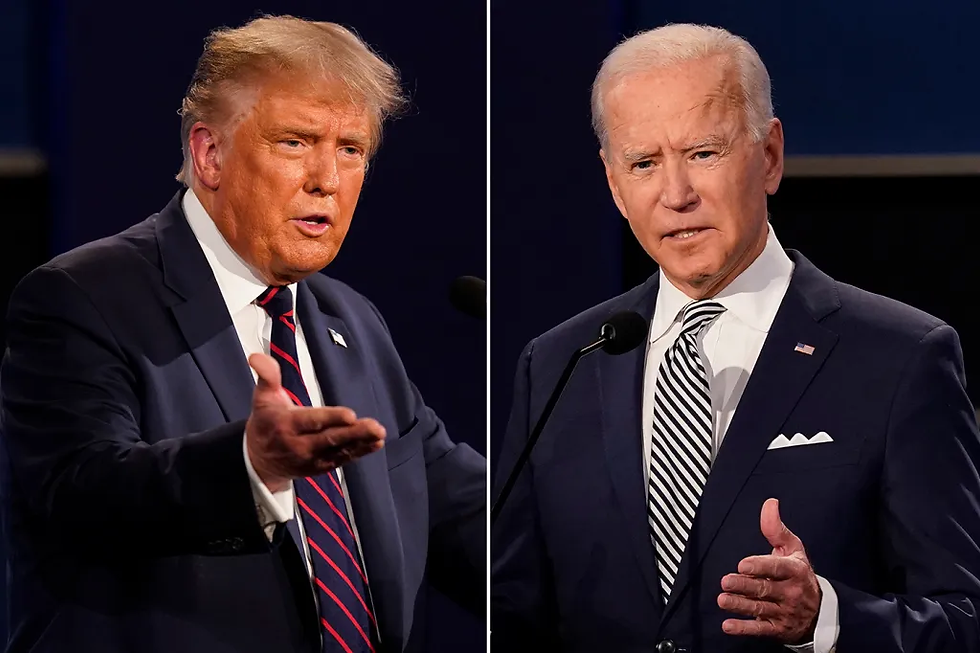
President Donald Trump entered his second term with a renewed pledge to bring down consumer costs and revive the American economy, yet he is increasingly meeting the same political peril that derailed his predecessor’s agenda: consumers simply do not like what they are paying. Despite headline inflation slowing in recent months, everyday prices remain elevated across groceries, tools, cleaning supplies and other staples eroding wage gains and undercutting his message of relief.
At the heart of the problem lies a disjunction between macroeconomic data and household experience. Inflation has fallen from its peak of over 9% to around 3% today, yet that drop offers little comfort if the baseline remains high and budget pressures persist. Many Americans say they are still spending more for the same items, making each paycheck stretch thinner despite reassurances from Washington.
Trump’s strategy to address this gap mirrors the longer game taken by his predecessor, Joe Biden, by emphasising long-term economic restructuring rather than immediate relief. Tariffs on select food imports have been rolled back, proposals such as one-time $2,000 checks funded through tariff revenue floated, and manufacturing investment touted as a key to cheaper goods over time. Yet experts warn that removing costs once entrenched is nearly impossible and that consumers may not wait years for results.
While Trump’s approval rating has fallen to around 38%, largely driven by public frustration over affordability, the contrast to the early days of his predecessor is striking. Biden’s low points included approval ratings in the mid-30s, which indicates that the political vulnerability associated with cost-of-living concerns transcends party.
One measure of concern lies in consumer sentiment and the so-called fear index of the markets. Persistent cost pressures have undermined confidence, and voters consistently cite grocery bills, energy costs and rent as pressing issues. They also hold the White House accountable, regardless of whose policies are in play. “Every price is down,” claimed Trump at a recent event, even as food and utilities remain major burdens for many households.
The timing of this affordability angst is politically fraught. With mid-term elections looming in 2026 and Republicans already recalibrating messaging after unexpected losses in off-year contests, the stakes for Trump’s economic pitch have never been higher. Critics say his communication falters because rising prices remain a lived reality for voters, while the administration emphasizes achievements in price moderation that many do not experience.
The broader takeaway is that no president can safely assume affordability is solved once inflation trends downward. Instead, what voters perceive is whether their actual cost base has improved. For Trump, who campaigned on an explicit promise to reverse the inflation of the prior term, falling short may be politically costly. The episode underscores a hard lesson: credibility in economic leadership is built not on technical metrics but on the everyday budget of the public.
In sum, Trump is contending with the same functional challenge that confronted Biden: managing public expectations in an economy where prices have risen and are not easily reversed. For voters, the question is simple: is my life getting cheaper or harder? For policymakers, the answer is far more complex and slower to emerge.


Comments