Trump Sues the IRS and Finds Himself in an Unusual Legal Paradox
- Feb 1
- 3 min read
1 February 2026
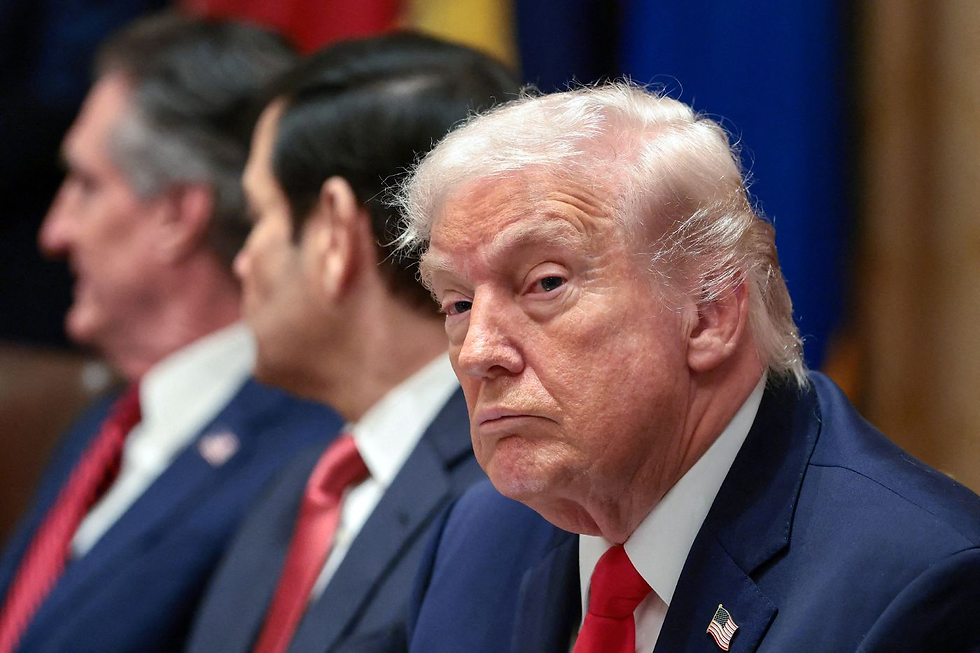
In an extraordinary legal twist that has captivated Washington insiders and constitutional scholars alike, President Donald Trump has taken the rare step of suing the Internal Revenue Service and the Department of the Treasury while simultaneously running the very government entities he has taken to court. The lawsuit, filed in federal court in Miami earlier this year on behalf of himself, his two eldest sons and the Trump Organization, seeks at least $10 billion in damages over the unauthorized disclosure of his tax returns and financial information during his first term in office. What makes the case truly remarkable is not just the size of the claim but the unprecedented position it puts the president in, effectively placing him on both sides of the same legal battle.
The roots of the dispute lie in leaks of Mr. Trump’s tax records to media outlets such as The New York Times and ProPublica between 2018 and 2020. Those disclosures were traced to a former IRS contractor who later pleaded guilty and was sentenced to prison for the breach. Trump contends that his private tax information was not adequately protected by federal agencies and that this failure caused reputational and financial harm to him and his businesses. The suit names the IRS and Treasury as defendants and seeks tens of billions of dollars in damages, a figure that has drawn both astonishment and criticism from legal analysts and political commentators nationwide.
By initiating this civil action, Trump has created a legal paradox that raises questions about conflict of interest and the limits of executive authority. On the one hand, he is the plaintiff seeking a substantial payout from agencies he ultimately oversees. On the other hand, as commander in chief and head of the executive branch, he supervises the officials responsible for defending those agencies and negotiating any potential settlement. This unusual alignment means that the president’s personal financial interests could intersect with his official duties, a dynamic that has prompted debate over whether the lawsuit should proceed while he is still in office.
Critics argue that allowing the case to move forward with Trump controlling both the prosecution and defense could undermine basic principles of fairness and separation of powers. Some legal experts and advocacy groups have suggested that courts might dismiss the lawsuit outright or at least pause proceedings until Trump leaves office to avoid a situation in which a sitting president effectively directs his own government to pay him large sums of taxpayer money. They point to concerns about ethical and constitutional conflict as central obstacles to an equitable resolution.
Supporters of Trump’s legal strategy say the president has the right to seek redress through the courts and that allegations of mishandled tax information merit scrutiny. They maintain that the justice system should be available to all citizens, including the president, and that Trump’s claims deserve a hearing on their legal merits. The case, therefore, not only highlights questions about executive power but also poses broader issues about how high-profile litigants engage with the judiciary when government interests are involved.
As the lawsuit works its way through the legal system, its unusual nature ensures it remains a focal point for discussions about presidential authority, ethics in government and the intersection of personal and public interests at the highest levels of power. Whether courts ultimately allow the case to proceed or impose limitations remains to be seen, but the fact that a sitting president has sued his own government for billions in damages stands as a remarkable chapter in American legal and political history.


Comments