Two Gas Stations, One Street, Two Prices. The Difference Is Not Just Greed

A driver passes one station, travels half a mile and finds regular gasoline several cents cheaper. Both businesses sell a product that looks identical, and the cheaper sign seems to expose the expensive station as greedy. The reality is more complicated. Every posted price combines a global commodity market, regional fuel rules, delivery logistics and the economics of one particular corner.
Crude oil is usually the largest component of the retail price. When global oil prices rise, refiners pay more for their main input. The cost then moves through wholesale markets and eventually reaches pumps. That explains broad changes across the country, but it does not explain why neighboring stations can disagree on the same afternoon.
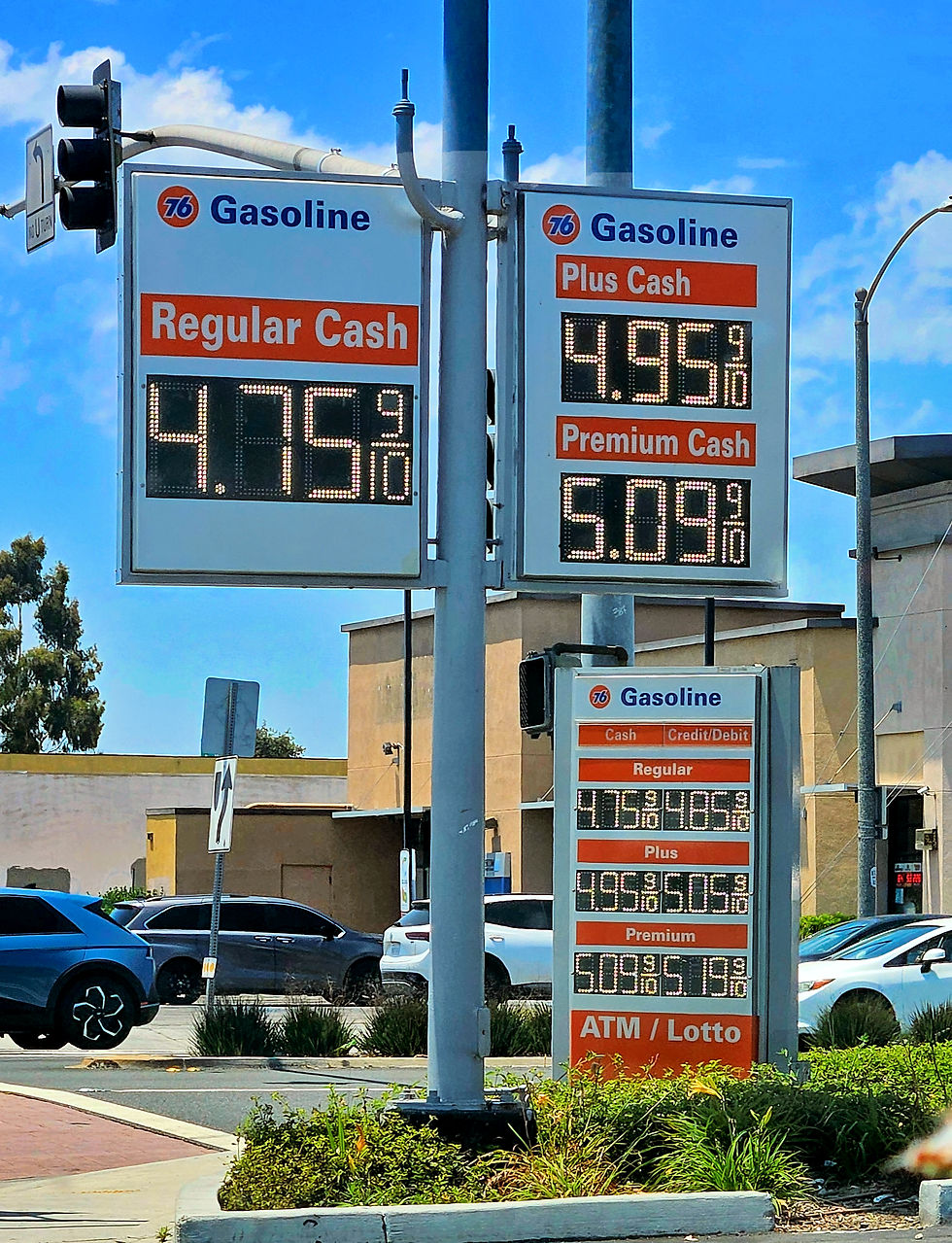
The number on a gas-station sign combines global commodity costs with very local business conditions. Image: Eric Polk / CC BY-SA 4.0
Timing is one reason. Stations buy deliveries at different moments and may change prices after receiving a new load. One business can be selling fuel purchased under an earlier wholesale price while another has already replenished at a higher one. Fast-moving commodity markets make inventory on the same road carry different costs.
Supply contracts also vary. Some stations are owned by refiners, some operate under a brand and others are independent. Their agreements can determine where fuel comes from, how it is delivered and what fees are attached. The gasoline may meet the same legal standard while arriving through a different business chain.
Location changes the calculation. Rent, property tax, insurance, wages and credit-card fees are not equal from one parcel to the next. A station beside a freeway exit can charge for convenience because drivers value avoiding a detour. A competitor on a less visible street may need a lower price to pull traffic away from the main route.
Competition is intensely local. A station facing three rivals across an intersection has less room to raise its sign than the only option near an airport rental-car return. Owners watch nearby prices, but they do not all pursue the same strategy. One may discount fuel to sell drinks and snacks. Another may accept fewer fuel customers while earning more on each gallon.
Taxes and required fuel blends explain regional differences. Federal tax applies nationally, while state and local taxes add different amounts. Seasonal and environmental specifications can raise refining and distribution costs in selected markets. Those rules do not normally change from one side of a street to the other, but they help explain why a city’s entire price level differs from another region.
The familiar belief that stations make huge profits whenever prices rise misses how the business works. Retailers can face higher replacement costs at the same time customers blame them for the increase. Fuel margins are only one part of the store. Inside sales often provide a more dependable contribution, which is why clean bathrooms, coffee and loyalty programs matter to the model.
Drivers should compare the full cost of chasing a cheaper sign. A long detour burns fuel and time. Cash prices may be lower than credit prices, and membership discounts can require spending elsewhere. The meaningful comparison is the total amount paid under the method the driver will actually use, not the largest number advertised from the road.
Price apps can help, but their numbers may be reported by users and can lag a recent change. Check when the price was updated and whether it refers to regular fuel, cash payment or a membership rate. A station that looks cheapest in an app can become ordinary after those conditions are removed. Information saves money only when the comparison is like for like.
Two stations can share a street without sharing a balance sheet. Oil prices set the tide, but delivery timing, rent, traffic and rivalry decide how high the water reaches at each pump. The difference is sometimes opportunistic and sometimes simply expensive real estate. Understanding the layers does not make a high price pleasant. It shows why the market can produce two answers to what appears to be the same gallon.



Comments