U.S. Economy Shows Signs of Growth as Inflation Pressures Continue to Linger
- Jun 3
- 3 min read
03 June 2026
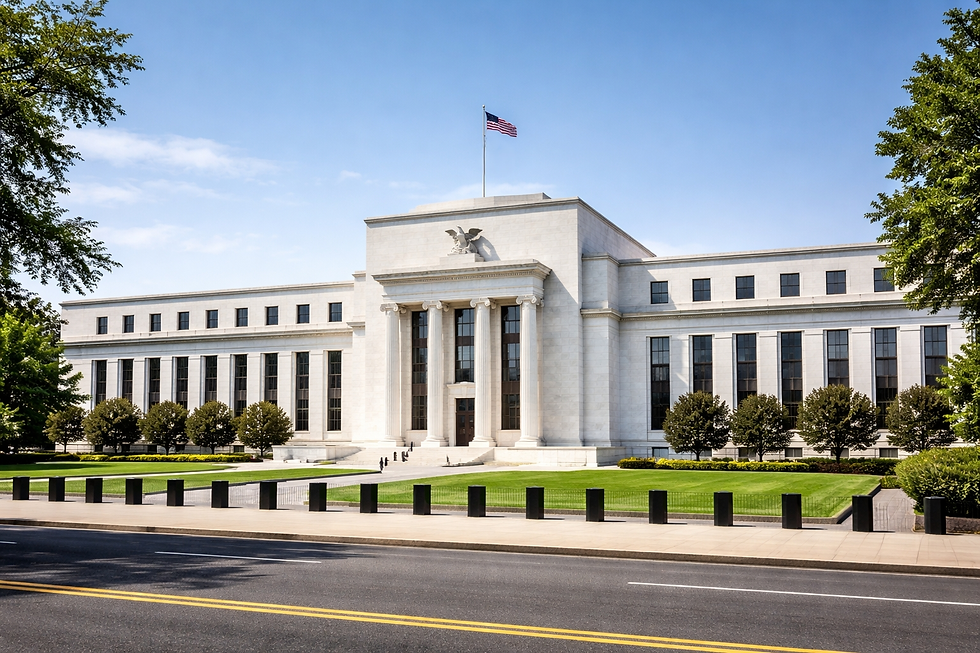
The American economy continued to expand in recent weeks, but signs of persistent inflation remain a key concern, according to the Federal Reserve's latest assessment of economic conditions across the country. The findings paint a picture of an economy that remains resilient despite ongoing challenges, with business activity strengthening in many regions even as price pressures continue affecting consumers and companies alike.
The report offers a snapshot of economic conditions gathered from businesses, economists, and industry contacts throughout the Federal Reserve's districts. Rather than focusing solely on statistical data, the survey provides a broader view of how companies and communities are experiencing economic trends in real time.
One of the most notable themes emerging from the report is the continued growth in economic activity. Businesses across multiple sectors reported steady or improving conditions, reflecting a level of resilience that has repeatedly surprised economists over the past several years. Consumer spending remained relatively healthy in many regions, while several industries experienced stable demand despite higher borrowing costs and broader economic uncertainty.
The findings suggest that the economy continues to benefit from strong underlying fundamentals. Employment levels remain relatively solid, household spending continues supporting growth, and businesses have generally avoided the large-scale contractions that some analysts feared might occur following aggressive interest rate increases.
At the same time, inflation remains a significant issue. While price growth has slowed compared with the peaks seen in previous years, businesses continue reporting rising costs in various areas. Labor expenses, insurance costs, transportation charges, and certain materials remain sources of pressure for companies attempting to maintain profitability.
For consumers, these inflationary pressures can still be felt in everyday purchases. Although the pace of price increases may not be as severe as before, many households continue adjusting budgets to account for higher costs across multiple categories. This reality helps explain why inflation remains one of the most closely watched economic indicators.
The Federal Reserve faces the challenging task of balancing economic growth with price stability. Policymakers have spent years attempting to bring inflation under control without triggering a significant economic downturn. The latest report suggests that progress is being made, but the process remains incomplete.
Businesses responding to the survey described a mixed environment. Some companies reported confidence about future demand and continued expansion plans. Others expressed caution, citing concerns about costs, interest rates, and broader economic uncertainty. This combination of optimism and restraint reflects an economy navigating a complex transition.
The labor market also continues to play a crucial role in shaping economic performance. Many employers reported stable hiring conditions, though some noted that recruitment has become easier compared with previous periods when labor shortages were more severe. Wage growth remains an important factor, as businesses attempt to attract and retain workers while managing operating expenses.
Manufacturing, retail, construction, and service industries each presented slightly different experiences, highlighting the diverse nature of the U.S. economy. While some sectors are benefiting from stronger demand, others continue facing headwinds related to costs or changing consumer behavior.
Financial markets closely monitor Federal Reserve reports because they provide insight into how policymakers may approach future interest rate decisions. Evidence of stronger growth can support confidence in the economy, while persistent inflation may encourage officials to remain cautious about loosening monetary policy too quickly.
Economists often describe the current environment as one of gradual adjustment. The economy is neither overheating nor contracting sharply. Instead, it appears to be moving through a period of moderation where growth continues but challenges remain.
Looking ahead, much will depend on how inflation evolves in the coming months. If price pressures continue easing while economic activity remains stable, policymakers may find themselves in a more favorable position. If inflation proves stubborn, however, difficult decisions could remain on the horizon.
For now, the Federal Reserve's assessment suggests that the U.S. economy continues demonstrating resilience. Growth remains present across many sectors, but inflation has not fully disappeared from the conversation. The balance between those two forces will likely define the economic story for the remainder of the year.


Comments