Unilever Moves Closer to Landmark Food Business Deal With McCormick
- Mar 30
- 2 min read
30 March 2026
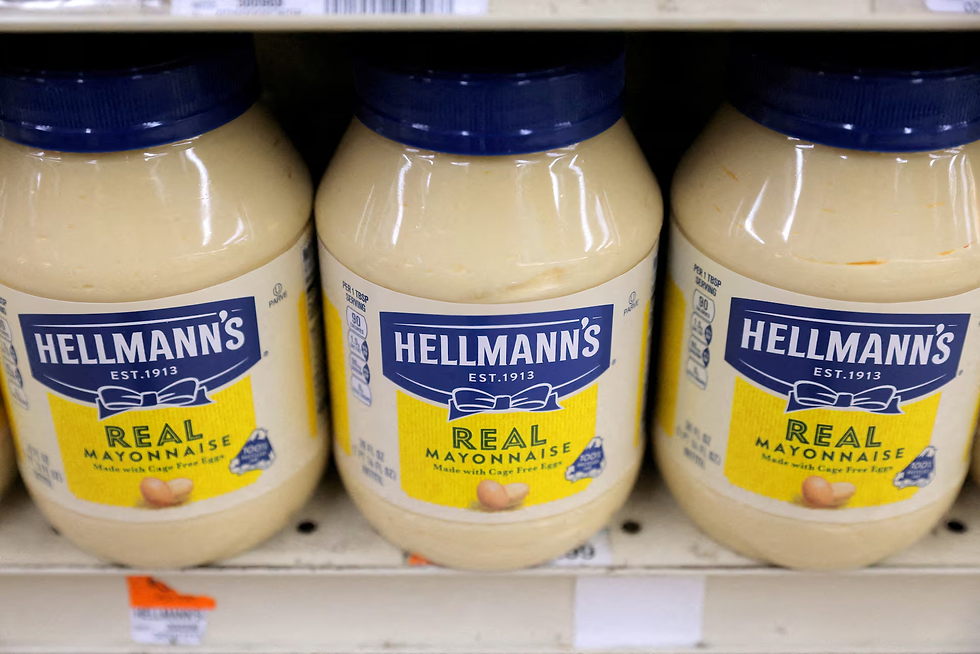
A major shakeup in the global consumer goods industry may be just around the corner as Unilever edges closer to a transformative agreement involving its food division and U.S. spice giant McCormick. According to reports, the two companies are in advanced negotiations that could result in one of the largest food industry transactions in recent years, creating a powerful new force in the packaged foods market.
The proposed transaction would combine Unilever's food business with McCormick through a cash-and-stock arrangement that reportedly includes a cash component worth approximately $16 billion. Sources familiar with the discussions suggest that an announcement could come soon, potentially coinciding with McCormick's earnings report. While neither company publicly commented on the details at the time of the report, the news immediately drew significant attention from investors and industry observers.
The deal would represent the latest step in Unilever's long-running effort to reshape its portfolio and concentrate on higher-growth areas of its business. Over the past several years, the company has increasingly focused on beauty, personal care, and household products while reducing its exposure to slower-growing food categories. This strategy has already led to the sale or separation of several assets, including its ice cream business and other food-related brands.
Unilever's food division remains a substantial business in its own right. Home to globally recognized brands such as Hellmann's mayonnaise, Knorr soups and stock products, Marmite, and Colman's, the division generates billions in annual sales and maintains a strong presence across international markets. McCormick, meanwhile, has built its reputation around spices, seasonings, condiments, and flavor-focused products, including popular brands such as French's mustard and Cholula hot sauce. A combination of the two businesses would create a broad portfolio spanning numerous food categories and geographic markets.
Analysts view the potential merger as part of a wider trend among major consumer goods companies seeking scale, efficiency, and stronger market positions in a challenging economic environment. Rising costs, changing consumer preferences, and increasing competition from private-label products have encouraged companies to rethink their structures and pursue strategic combinations. Bringing together two established food businesses could create opportunities for cost savings, expanded distribution networks, and stronger negotiating power with retailers worldwide.
Reports indicate that Unilever shareholders would likely retain a majority stake in the combined entity, reflecting the larger size of Unilever's food operations relative to McCormick. The transaction is also expected to be structured in a tax-efficient manner, making it attractive from a financial perspective for both companies and their investors.
Should the agreement move forward, it would mark a defining moment for both businesses. For McCormick, it would dramatically increase its global reach and product portfolio. For Unilever, it would accelerate a strategic transformation aimed at becoming a more focused company centered on beauty, personal care, and home products.
The outcome of the negotiations remains subject to final agreements and approvals, but industry watchers are already treating the potential transaction as one of the most significant consumer goods deals of the year.


Comments