Visa Chaos Sends Tech Workers Racing Home
- Sep 21, 2025
- 3 min read
21 September 2025
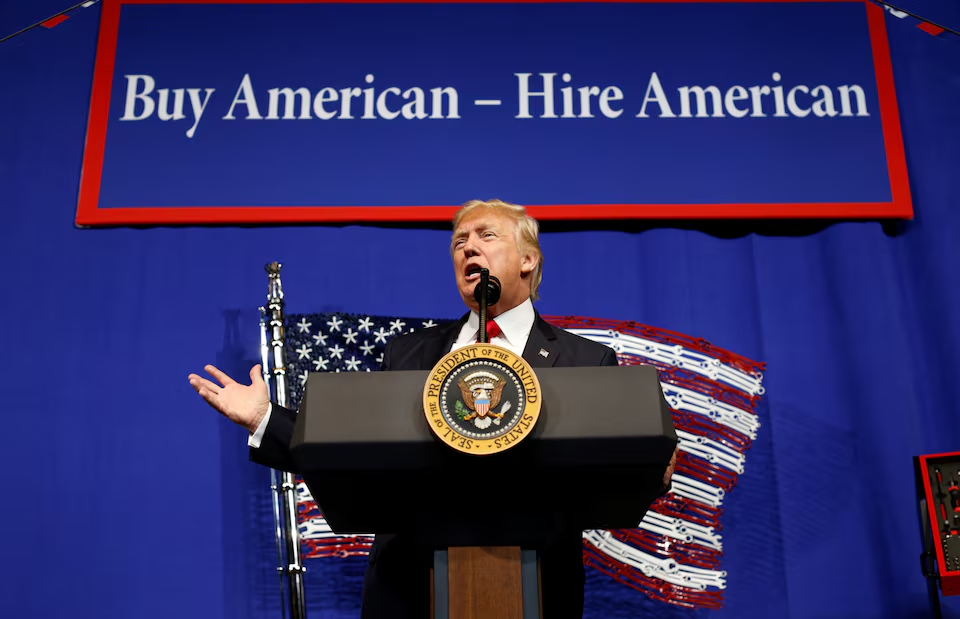
Workers holding H-1B visas from India and China found themselves caught in a swirl of confusion and urgency after President Donald Trump issued a proclamation imposing new visa fees. The order triggered a scramble among many to return to the United States before its effects took hold. Tech firms and financial institutions fired off internal notices telling staff abroad to avoid travelling and to come back before a deadline at 12:01 a.m. Eastern Time on Sunday. The fear was that those who left after would find it hard to return.
People in this community spoke of disrupted plans and dashed expectations. One engineer at a large tech company described giving up vacation time after hearing from immigration lawyers at his employer. His wife was about to fly from San Francisco to Dubai when passengers who learned of the new rule boarded the flight and tried to disembark. Among them were Indian nationals who said they felt they had no choice between family obligations and staying abroad under an uncertain policy. Others shared their stories on social media, saying they cancelled trips to places like Paris after receiving urgent memos from their companies. Many described panic that rivaled the uncertainty of the travel bans during the Covid-19 pandemic.
In the wake of the sudden proclamation the White House clarified that it applied only to new visa applications. Existing H-1B holders and those seeking renewals are not subject to the new requirement. Nonetheless many felt the statement came too late. By the time the clarifications came, internal memos at Amazon, Microsoft, Alphabet and Goldman Sachs, among others, had already advised employees abroad to return immediately or risk being caught outside under the new rule.
Officials defended the changes as a correction to abuses they say have eroded protections for U.S. workers. The administration argues that some employers have used the H-1B programme and its rules to suppress wages and disadvantage American job-seekers. Critics counter that the programme fills vital gaps in skilled labour and underpins U.S. competitiveness, especially in technology industries. They warn that the sudden shift will erode trust among foreign professionals, many of whom weigh the stability of immigration rules when deciding to build their careers in the United States.
There were mixed messages about how the fee structure would work. Early reports said there would be a $100,000 annual fee per H-1B visa. Later official corrections said that the fee was not annual but a one-time charge tied to each petition. Another part of the proclamation gives the Secretary of Homeland Security discretion to exempt certain petitioners from the fee.
Voices among the affected described the policy as deeply unsettling. One engineer returning from vacation in Japan with his wife and infant told Reuters the situation felt surreal. Everything was in flux. Others on social media likened the urgency to scenes from “Fast and Furious,” racing to get back before rules changed. A participant in one of the scenes took off abruptly from San Francisco airport after hearing rumours of the order. On social networking platforms some users wrote they felt like they were being thrust into chaos overnight.
Over the weekend company executives, legal teams, and federal agencies worked to clarify the scope of the proclamation. Some of the panic subsided as explanations came in. Gary Cohn, vice chairman at IBM, said that initial confusion over whether the policy affected existing visa holders contributed to the alarm. He added that with more information emerging people could see that the system had not collapsed. But he also cautioned that the damage to morale and perception might endure.
Many who study immigration policy say that the speed and volatility of this change underscore a growing tension in U.S. politics between preserving high-skilled immigration and responding to pressures from domestic labour markets. The administration believes that reforming visa policy serves to protect U.S. citizens, especially in sectors where employers rely heavily on foreign tech and engineering talent. Observers warn that employers may face challenges filling roles if prospective applicants grow wary of instability. Some point out that visa holders constitute a critical part of innovation ecosystems. Disruptions in trust or access risk not only individual consequences but also broader competitiveness for U.S. firms.
At its core this episode is less about a single policy change and more about signal and consequence. For workers on foreign soil, sudden policy shifts are not abstract political acts. They are urgent matters of livelihood, family ties, planned travel, career plans. For companies, this is about logistics, compliance, talent planning. And for the United States, this moment raises questions about how immigration reform will be handled in future. Stability in policy matters to reputation. Clarity matters when lives are on the line.


Comments