Home Sales Rose, but Buyers Are Not Winning Yet. These Two Numbers Explain Why

Sales of previously occupied U.S. homes rose 1.5 percent in September from August, reaching a seasonally adjusted annual rate of 3.99 million, according to the National Association of Realtors. That sounds like progress after a slow summer. It is not yet a housing recovery. Sales remained below their level a year earlier, and two other numbers explain why buyers are still struggling.
The national median sale price reached $417,500, up 1.3 percent from September 2025 and the highest September figure in records dating to 1999. At the same time, the average rate on a 30-year mortgage climbed to its highest point in nearly three years after seven consecutive weekly increases. A buyer is therefore being asked to finance a more expensive house with more expensive money.

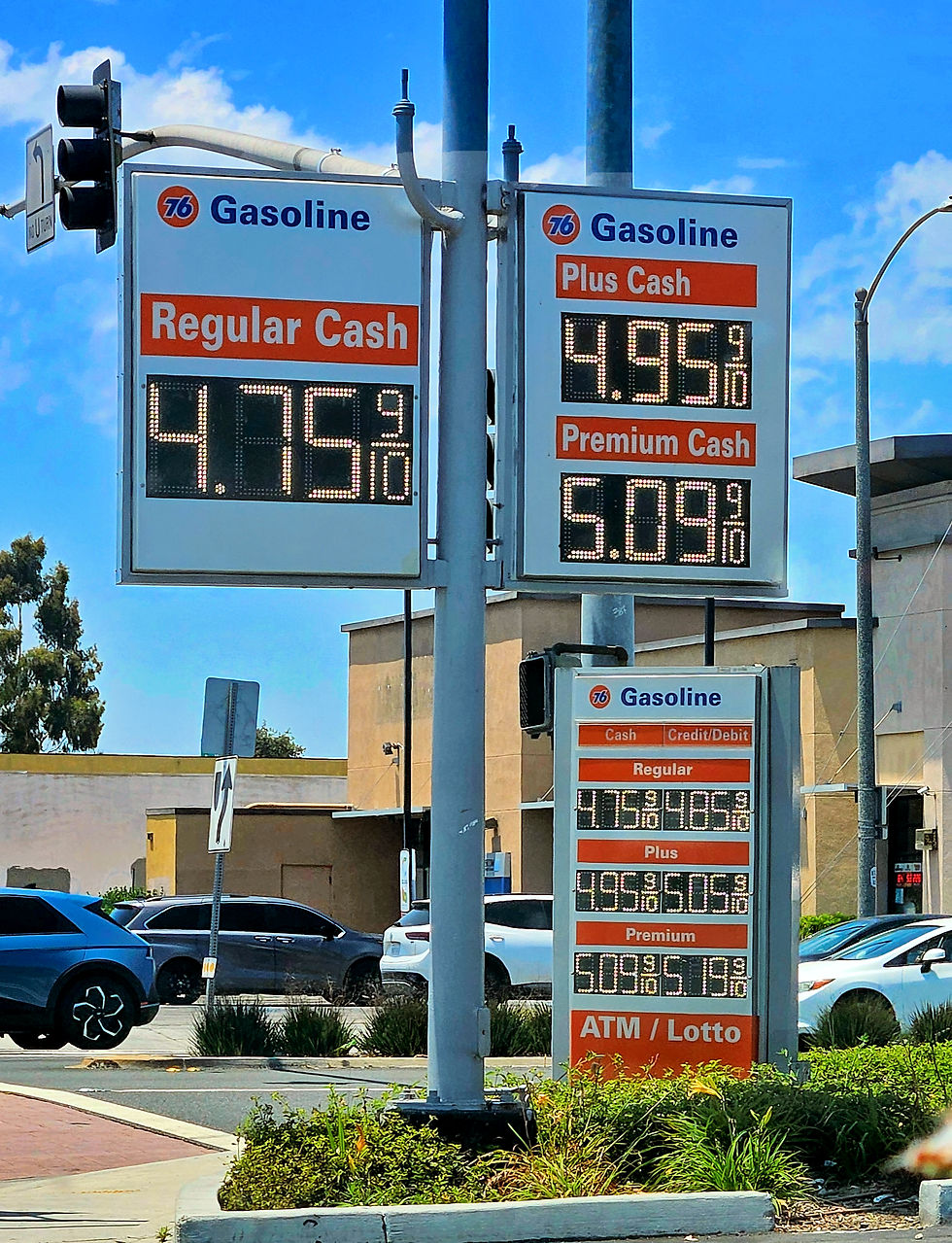
More homes changed hands in September, but record prices and higher borrowing costs kept affordability under pressure. Image: Rick Obst / CC BY 4.0
The monthly sales gain deserves context. Closed sales usually reflect contracts signed weeks earlier, so September is a rear-view measure of decisions made under earlier conditions. A late-summer improvement in listings or rates can lift closings even when the market has become less welcoming by the time the report is released.
Inventory did improve. NAR counted about 1.60 million homes for sale, giving buyers more choice than during the extreme shortages that followed the pandemic. More supply can slow bidding wars and give purchasers leverage on repairs or closing costs. It does not automatically make a payment affordable, especially when many owners with older low-rate mortgages remain reluctant to sell.
That lock-in effect has reshaped the market. A homeowner who refinanced near 3 percent may face a much larger monthly payment after moving, even if the new house costs the same. Staying put becomes rational, and fewer listings circulate. Builders can add new supply in some regions, but construction cannot quickly replace the millions of existing homes that normally change hands.
For buyers, the headline price understates the pressure. Property taxes, insurance and maintenance have risen in many markets. A monthly budget that once stretched to a starter home may now fall short even after a seller accepts a lower offer. The result is a market where prices can keep rising slowly despite weak transaction volume because the available supply remains limited.
Real-estate businesses feel the slowdown differently. Agents and mortgage lenders depend on transactions, not only values. Home-improvement retailers, movers and furniture sellers also benefit when households change addresses. A market stuck near four million annualized sales can weigh on those industries even when homeowners see paper gains in equity.
Sellers should not interpret a national record as permission to ignore local conditions. Housing is regional. A property in a supply-constrained neighborhood may still draw several offers, while a similar home in a market with growing inventory may sit for weeks. Pricing from last year’s peak can cost time and eventually force a larger reduction.
Buyers, meanwhile, need to compare the full payment rather than wait for a perfect national signal. A temporary rate buydown, seller concession or smaller property can matter more than a minor change in the median price. Refinancing later is possible but never guaranteed. The purchase has to work under the rate and expenses available now.
September’s report shows movement without relief. More homes sold than in August, yet the market remains defined by high prices, scarce affordable inventory and borrowing costs that erase purchasing power. A genuine recovery will require several things to improve together: steadier mortgage rates, more listings and income growth strong enough to close the gap. One better month is welcome. It is not the same as buyers finally winning.
Policy will shape that path, but no single announcement can unlock it. Zoning changes, faster permitting and infrastructure investment can expand supply over time. Rate cuts may help financing, although they can also revive demand before enough homes exist. Local shortages require local building right now. The housing market needs patience, construction and sustained income growth, not a victory lap built around one monthly percentage.


Comments