Market Highs, Policy Uncertainty, A Delicate Balance in U.S. Business
- Jun 29, 2025
- 2 min read
29 June 2025

On paper, U.S. markets are roaring both the S&P 500 and Nasdaq recently touched record highs, propelled by a brief ceasefire brokered between Israel and Iran and a temporary pause on sweeping tariffs. But despite the celebratory headlines, institutional investors remain wary, and the rally carries undertones of fragility.
Market analysts at firms like JP Morgan Chase and Bank of America warn that the surge may be more sentiment-driven than grounded in strong fundamentals. They point to measures of volatility, market depth, and the widening of bid/ask spreads signs that the rally isn’t yet stable. Trading looks thin, and despite retreating volatility indicators, key players aren’t diving in with the aggressive buying witnessed during previous highs .
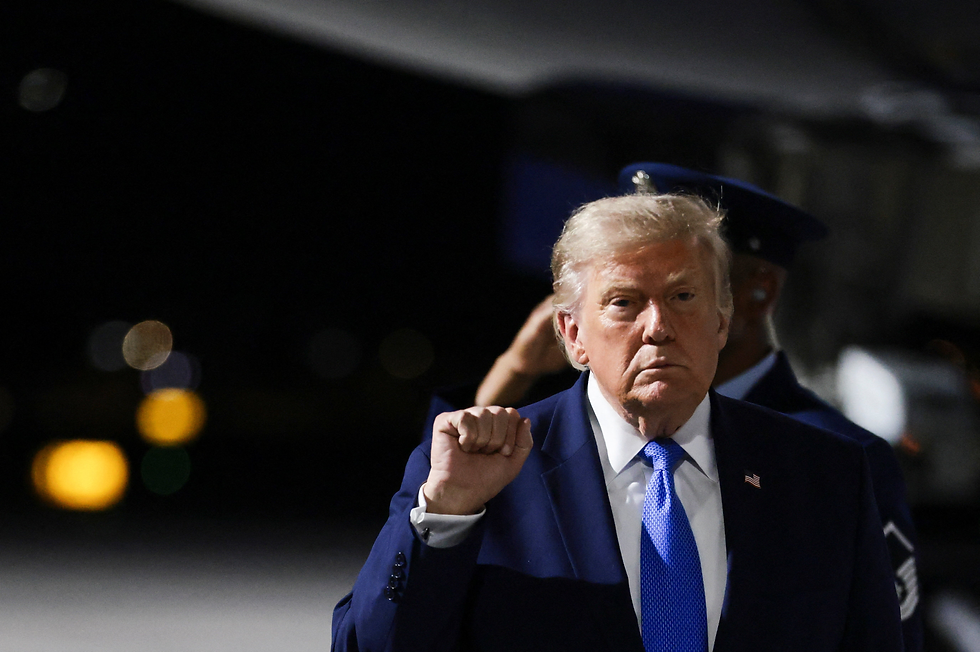
Fueling much of this caution is the unpredictable tone coming from the White House under President Trump. His frequent tariff threats, sudden shifts in trade policy, and public pressure on the Federal Reserve have created ongoing uncertainty . Markets responded positively to short-term signals such as the ceasefire and tariff pause but remain unsettled over what might come next.
Adding to the complexity, Federal Reserve Chair Powell maintains a data-driven approach, tempering expectations for rate cuts even as consumer spending softens. Economic data for May showed a dip in household purchases, while wage data and delinquencies hinted at slowing momentum factors the Fed continues to study before adjusting policy.
On the inflation and growth front, JPMorgan projects a potential stagflation scenario for the U.S. where economic growth slows significantly under the weight of tariffs while inflation remains elevated, mirroring the challenges of the 1970s. The bank even put the odds of a recession later this year at roughly 40%, driven by persistent policy uncertainties and trade tensions.
Meanwhile, global investor behavior is shifting. PIMCO, managing over $2 trillion, highlights a major rotation of capital into emerging markets where local currency debt and equities are outperforming U.S. counterparts by around 10 percentage points this year. Analysts attribute this shift to a weakening dollar and diminished international confidence in U.S. policies.
Despite the macro turbulence, corporate fundamentals still offer pockets of optimism. Strong earnings projections from the tech and AI sectors signal underlying resilience. However, the near-term outlook is clouded, particularly as the July 9 deadline for the tariff pause approaches.
Investors are bracing for a critical period ahead: the expiration of the tariff reprieve, key earnings reports especially from the tech giants known as the “Magnificent Seven,” and new economic data releases. Offers from various analysts including a caution by RBC Wealth Management that the rally could decelerate in the third quarter suggest that the era of uninterrupted gains may be ending.
In summary, U.S. markets are at a crossroads. Optimism is high, but it remains tempered by uneven structural indicators and deep-seated policy anxieties. The Federal Reserve is holding firm amid economic ambiguity, corporates show flashes of strength, and international flows hint at deeper unease. As July unfolds and policy directions become clearer, investors will need to decide whether the current market is a foundation for durable growth or merely a prelude to volatility.


Comments