Inflation Jumped Again, but the Headline Hides the Real Hit to Household Budgets

American inflation accelerated in September, delivering a reminder that falling price pressure is not the same thing as falling prices. The Consumer Price Index rose 0.6 percent from August and 3.7 percent from a year earlier, the Bureau of Labor Statistics reported. Annual inflation had been 3.4 percent in August, so the latest result moved the country farther from the Federal Reserve’s long-term goal.
Energy was the most visible force behind the increase. Gasoline and other energy costs rose sharply enough to influence the full index, meaning a household could feel the change within days at a filling station or through a larger utility bill. Energy shocks also travel. Delivery fleets, airlines and manufacturers can face higher costs, which may later appear in the price of products and services.

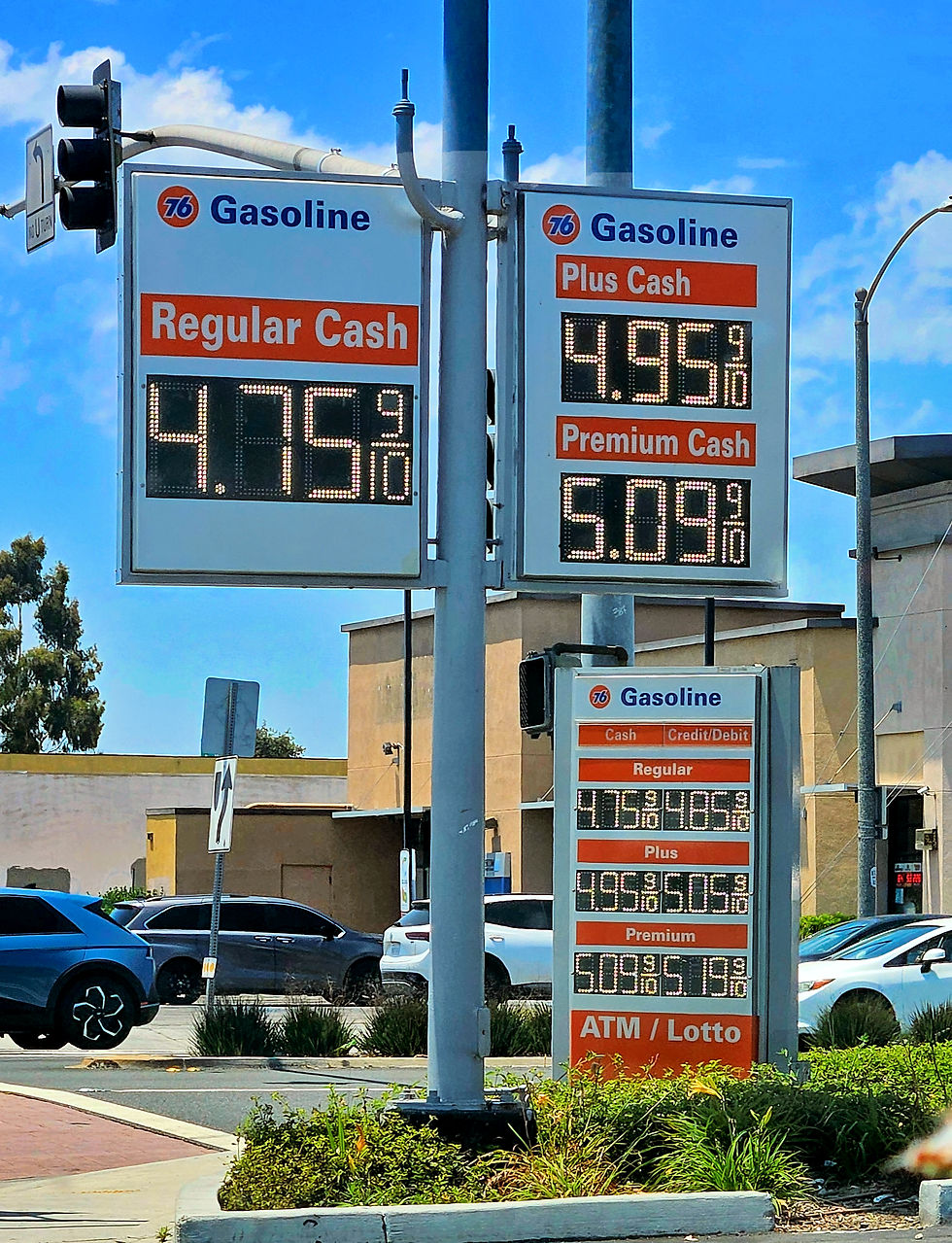
A sharp increase in energy costs helped push US consumer prices higher in September. Image: Tony Webster / CC BY 2.0
That makes the monthly headline important, but not sufficient. Economists also watch measures that remove food and energy because those categories can move quickly. The underlying trend helps show whether inflation is spreading through rent, medical care, insurance and other services. A gasoline spike can fade. Broad price pressure is harder to reverse without slower demand or weaker hiring.
For households, the arithmetic is personal. A 3.7 percent annual increase does not mean every bill rose by the same amount. Families that drive long distances or use more electricity can face a larger hit. Renters renewing a lease may feel inflation differently from homeowners with a fixed mortgage. The average describes the economy; the budget reveals who absorbs the most pain.
Businesses face a similar split. A retailer may pay more to move inventory while discovering that customers are less willing to accept another price increase. Restaurants can be squeezed by food, energy and labor at once. Large companies may hedge fuel costs or negotiate better shipping contracts, while smaller firms have fewer ways to protect margins. Inflation is therefore a competition story as well as a consumer story.
The Federal Reserve now has a more complicated decision. Officials want to prevent persistent inflation without creating an unnecessary slowdown. A single energy-driven month does not determine interest-rate policy, but it reduces the comfort provided by earlier progress. If businesses and consumers begin to expect faster price increases, those expectations can influence wages, contracts and pricing behavior.
Markets will look closely at the next readings for evidence that September was temporary. Oil prices, gasoline inventories, housing costs and wage growth will all matter. Investors may react to one report in seconds, but policymakers need a pattern. A rate move based on a short-lived shock could damage growth, while ignoring a broader reacceleration could allow inflation to settle at an uncomfortable level.
The report also changes the political argument about the economy. People do not experience inflation as a chart returning toward normal. They remember the price they paid before the run-up and compare it with today. Even if the rate of increase slows again, groceries, rent and services generally remain more expensive than they were several years ago. That gap explains why improving data can coexist with poor economic sentiment.
Wages are the other half of the household calculation. If pay rises faster than prices, purchasing power can recover even while the CPI remains positive. If wage gains slow while inflation accelerates, families lose ground again. That is why the labor reports arriving before the next Fed meeting will matter alongside the price data. Inflation does not occur in isolation from jobs, hours and bargaining power.
Consumers cannot control the index, but they can respond to the categories moving fastest. Comparing unit prices, consolidating car trips and reviewing recurring bills have more value than chasing every sale. Businesses should separate temporary energy costs from lasting supplier increases before resetting prices. A rushed response can lock a one-month shock into a long-term decision.
September’s inflation number is not proof that the fight has failed, and it is not a harmless statistical bump. It is a warning that progress can reverse when energy and services refuse to cooperate. The next few months will show whether 3.7 percent was a detour or the beginning of a stickier phase. Until then, households will judge the economy at the pump, at the checkout and in the bills that arrive long after the headline fades.


Comments